
On this page
What does sustainable clothing printing mean?
With sustainable clothing printing, you look beyond the design alone: fabric, ink, finishing and how the garment is used all combine to determine the result. Brands choose this approach when they want to make their collection, workwear or merchandise more considered — without every project calling for the same choices.
AJDN discusses with you which materials and printing techniques are a good technical fit for your design. We cover specifications and any certification labels or supplier information per order in the proposal.
- Fabric, ink and process together determine how light or heavy a printed item is.
- A considered choice starts with clear requirements: use, washing behaviour, run size and look.
- More and more buyers are asking about origin and the choices made in the textile supply chain.
Choices you can discuss with AJDN
Depending on the design and garment, you can compare different routes. We check what fits technically and practically and record any open questions in our advice.
Fabric choice
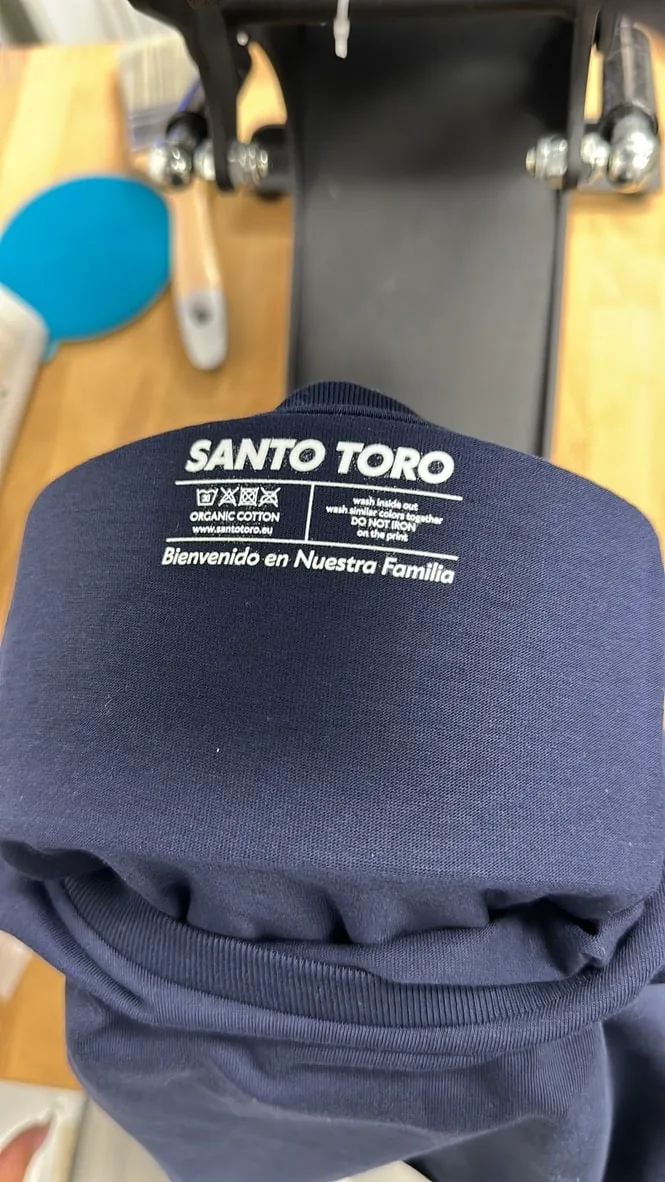
Think of organic or recycled fabrics, or classic cotton and blend qualities. Which fabric is suitable depends on the printing technique, washing behaviour and fit.
Ink and printing technique
DTG, DTF, DTM (cutting-plotter materials) or embroidery each call for different substrates. We discuss which route fits each design; the result depends on fabric and use.
Finishing and packaging
Labels, hangtags and packaging can be included in the proposal. Which options are available is confirmed after consultation.
Documentation
If you need specifications or supplier information for your brand policy, we will tell you what we can provide once the material and technique have been chosen.
Materials often found in more considered projects
The options below are common directions in the market and serve as a starting point for discussing your request.
- Organic cotton — soft and breathable; suitability depends on the weave and printing technique.
- Recycled polyester (rPET) — often used for sports and performance fabrics; watch out for dye migration with transfers.
- Bamboo, linen or hemp — natural fibres with their own handle; not every printing technique suits them equally well.
Looking to have sustainable clothing printed?
Send your question to info@ajdn.com or open the AJDN App. AI specialists are labelled as AI. Mention your fabric preference, design and schedule, and we will agree the next step with you.
More information and FAQs
Sustainable materials used in clothing printing
- 1. Organic cotton: soft, breathable, durable and grown without harmful pesticides.
- 2. Recycled polyester: rPET made from plastic bottles reduces ocean and landfill waste while wearing very well.
- 3. Bamboo fabric: a fast-growing, renewable raw material that feels soft and prints beautifully.
- 4. Linen and hemp: highly durable natural fibres, ideal for premium eco fashion brands.
- 5. Eco-certified blends: fabrics that meet international standards (GOTS, OEKO-TEX® and more) for safe, ethical clothing production.
In pictures
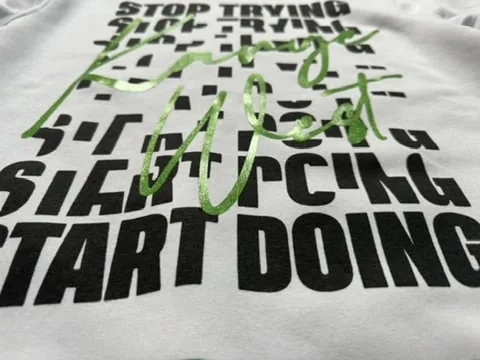
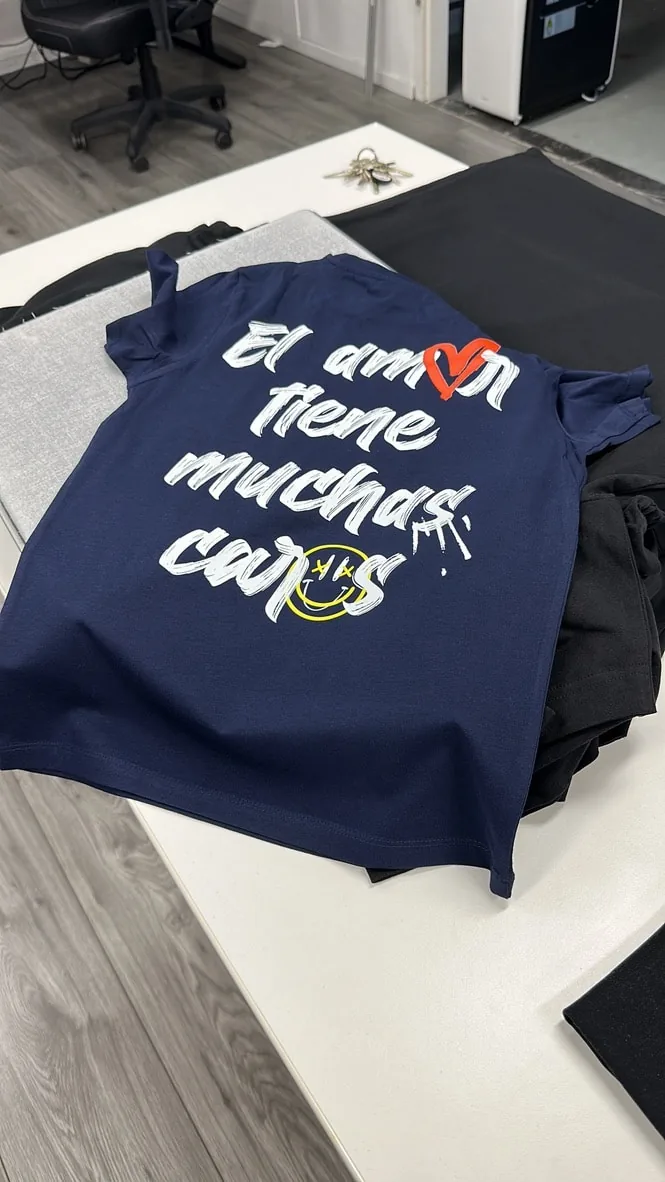
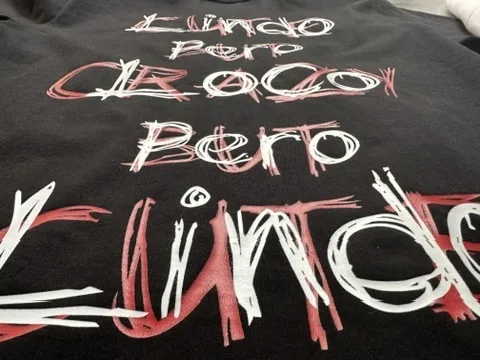
From request to proposal
Share your garment choice, design, quantities and any environmental requirements you apply internally. AJDN assesses the file and substrate and draws up a proposal covering the technique, points of attention and open questions.
From design to production
Submit your request
Describe your fabric preference, design, quantities and schedule in your message by email or via the AJDN App.
Technical check
AJDN assesses the artwork, substrate and preferred technique based on what you supply.
Proposal
You receive a proposal with the chosen technique, costs and schedule.
Production after approval
Once you have given your approval and supplied everything, production follows the agreed terms.
Frequently asked questions
What is meant by the term “sustainable clothing printing”?
It usually refers to printed clothing for which the fabric, ink and process are chosen more consciously. Which combination suits your project is confirmed once we have assessed the material and design.
Are eco-friendly inks strong enough?
That depends on the type of ink, the fabric and the use. We recommend a suitable technique and, where necessary, a sample before you start a series.
Which fabrics can be printed sustainably?
That is confirmed in our advice once we have assessed your request. Fabric, coating and washing behaviour help determine whether DTG, DTF or another route is the right fit.
Is printing sustainable clothing expensive?
The price depends on fabric, technique, size and quantity. You receive a proposal once we have assessed your request.
Can I order both small and large quantities?
Both small and larger runs can be discussed. What fits technically and in terms of scheduling is set out in the proposal.
Which files should I supply?
Preferably send print-ready files (transparent PNG at final size or AI/EPS/PDF) to info@ajdn.com. The right file format is confirmed in our advice.
How do I choose the right printing technique?
That depends on the artwork, fabric and use. Via info@ajdn.com or the AJDN App (AI specialists are labelled as AI), you will receive a concrete proposal.